
Electric Scooter vs Kids Scooter vs Self‑Balancing Scooter: A Comparison Table for Your Selection
I. Opening: What Are the Differences Between the Three Vehicles?
As a distributor supplying electric scooters, non‑electric kids scooters and self‑balancing scooters, we receive the same question almost every day: “What are the differences between these three, and which one should I pick?”
Quick positioning:
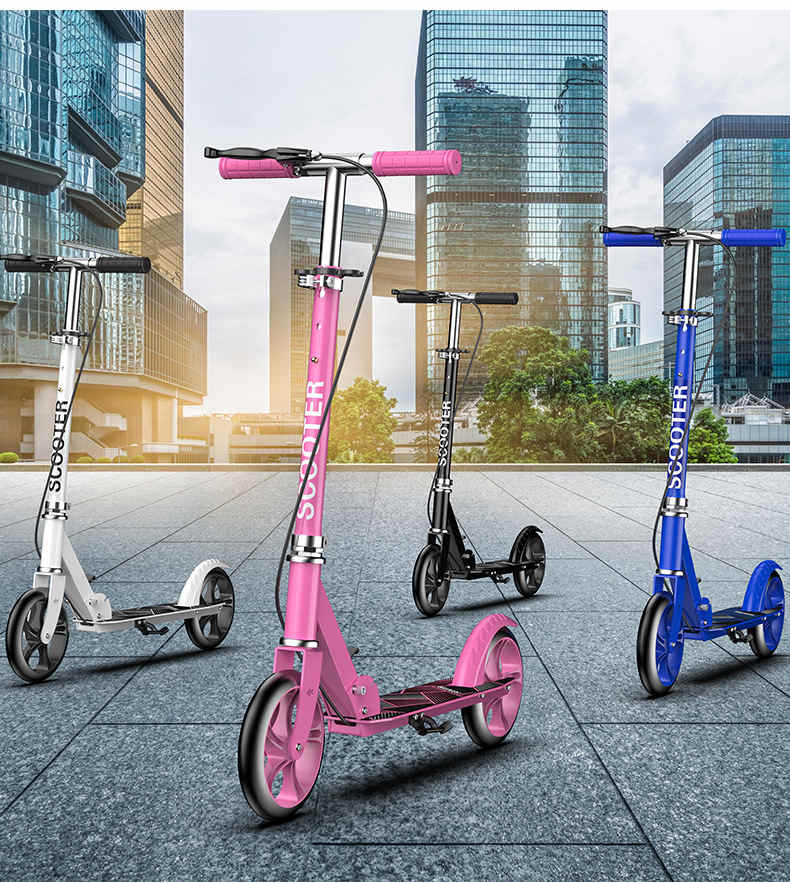
- Non‑electric Kids Scooter: A sports toy for children aged 2‑12, helping develop balance and coordination.
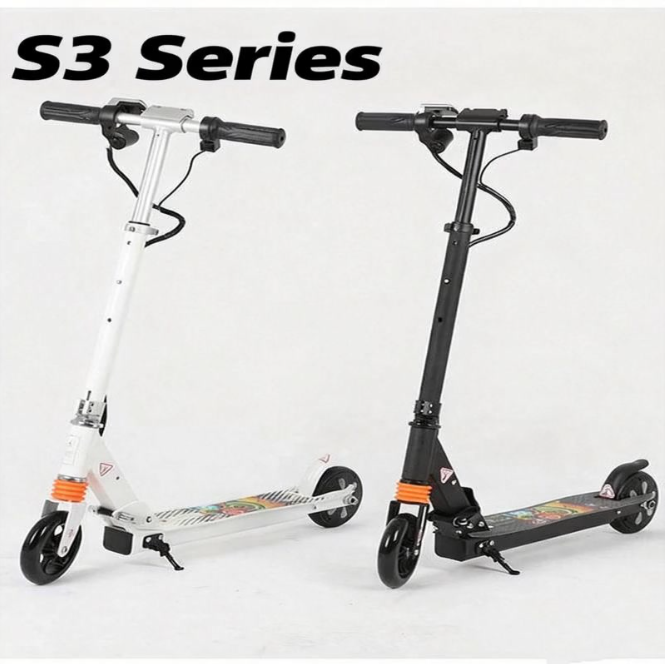
- Electric Scooter: A short‑distance commuting tool for adults, solving the “last‑mile” travel challenge.
- Self‑Balancing Scooter: An advanced choice from casual pastime to geek‑oriented commuting, delivering the best playability.
They are not interchangeable products. Instead, they are three separate items designed for different age groups and user demands.
II. Five‑Dimension Horizontal Comparison Table
| Comparison Dimension | Non‑electric Kids Scooter | Electric Scooter | Self‑Balancing Scooter |
|---|---|---|---|
| Applicable Age | 2‑12 years old | 14 years old and above | Two‑wheel: 8+ years old / Unicycle: 16+ years old |
| Drive Mode | Foot push‑off | Electric‑powered | Electric power + body weight‑shift control |
| Speed | Depends on pushing (approx. 5‑10km/h) | 20‑25km/h (national standard speed limit) | 10‑20km/h |
| Learning Difficulty | ★ (almost zero learning curve) | ★ (rideable as long as you can stand) | Two‑wheel ★★ / Unicycle ★★★★ |
| Typical Price | CNY 100‑800 | CNY 1500‑5000 | CNY 800‑8000 |
| Whole‑vehicle Weight | 2‑4kg | 12‑18kg | Two‑wheel 10‑12kg / Unicycle 12‑16kg |
| Range | No charging required | 25‑70km | Two‑wheel 10‑20km / Unicycle 30‑90km |
| Allowed on Buses & Subways | Yes (if size meets requirements) | Permitted in most cities when folded | Depends on model; unicycle is inconvenient to carry |
| Core Value | Physical exercise + entertainment | Commuting efficiency | Tech appeal + high playability |
III. Three Frequently‑Asked Confusing Questions
Q1: Should I buy a scooter or a self‑balancing scooter for my child?
For children aged 2‑5, choose a three‑wheel kids scooter. Both feet can touch the ground at any time, offering better control and safety. Kids over 8 with good balance may try two‑wheel self‑balancing scooters. You can also purchase both sequentially. The balance ability developed by riding a scooter will greatly speed up learning to ride a self‑balancing scooter.
Q2: For adult commuting, which is better: an electric scooter or a unicycle self‑balancing scooter?
Most people should opt for an electric scooter. The reasons are simple: near‑zero learning threshold (a unicycle requires days of practice); it can be carried onto subways (unicycles are difficult to fold and transport); safer emergency stops (electric scooters come with handlebars for support, whereas unicycles slow down by leaning the body backward). A unicycle serves well as a “second vehicle” — ideal for users who already own commuting tools and just want to enjoy the fun of riding.
Q3: What should I buy with a budget of only CNY 1,000?
Prioritize a two‑wheel self‑balancing scooter (hoverboard‑style) or an entry‑level kids scooter (for children). Electric scooters under CNY 1,000 are not recommended. At this price range, the batteries and frames fail to guarantee safety, and such models have high accident risks.